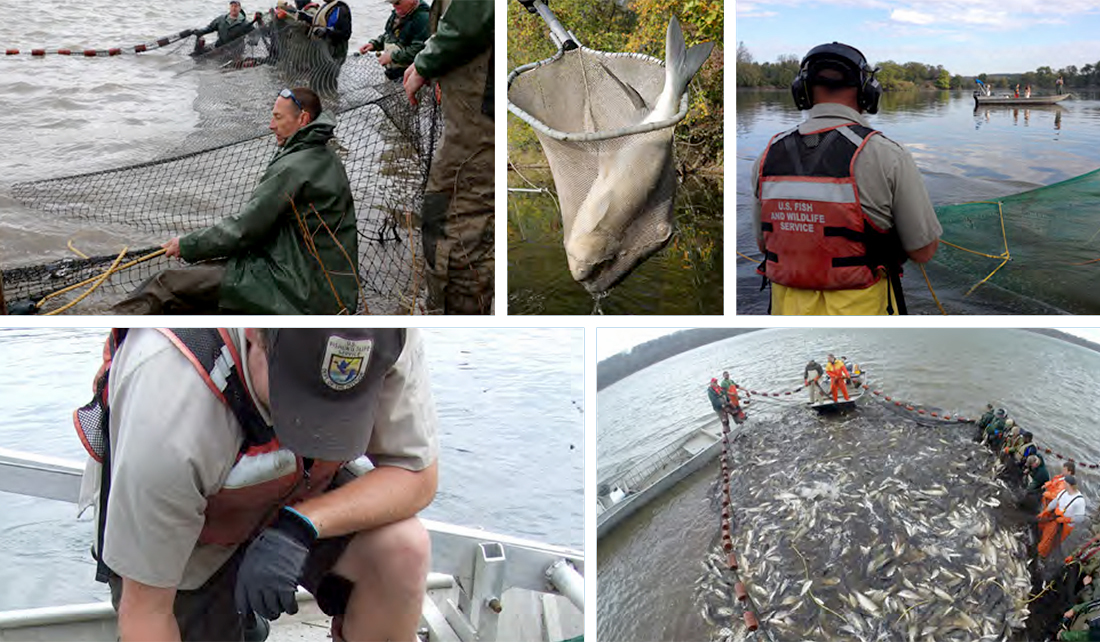
Despite all the good that natural resource biologists strive to do in monitoring the spread of Asian carp in Illinois waterways, their very presence could have unintended, perhaps even harmful consequences.
All waters are filled with environmental DNA, (eDNA) bits of cells and genetic material left behind like fingerprints at the scene of a crime. Biologists are concerned that while monitoring the movement of Asian carp they may be inadvertently spreading eDNA and clouding their monitoring efforts as well as introducing invasive species into other waterways.
“eDNA is not an invasive species, but we recognize it can be spread by boats or by our gear in the water. In our work we definitely see it can happen very quickly,” said Kevin Irons of Illinois Department of Natural Resources and coordinator of the monitoring and response plan.
“These best management practices work to prevent our day to day activities as natural resource professionals from moving this eDNA around and further exacerbating invasive species spread.”
It’s been noted that some of the most invaded waters are where not only lots of people go, but also where lots of biologists do their work. Irons looked to Pat Charlebois, IISG AIS outreach coordinator, to help with the guidelines aimed at biologists.
“Some of the personnel involved in the agencies doing fieldwork don’t have a protocol in place to deal with this kind of thing,” Charlebois said. “They might not be familiar with the steps they can take or if they’re not from Illinois, they might not be aware of laws that are in place.”
IDNR is promoting prevention and trying to be proactive by encouraging the same recommendations aimed at the average angler, remove, drain and dry, but with more detailed decontamination guidelines.
“In Illinois we have our Be A Hero—Transport Zero™ campaign, so as biologists we need to be a hero and not transport things around,” Irons said.
“Sometimes we get so caught up in looking for the fish that we forget another tenet of good science—prevention.”